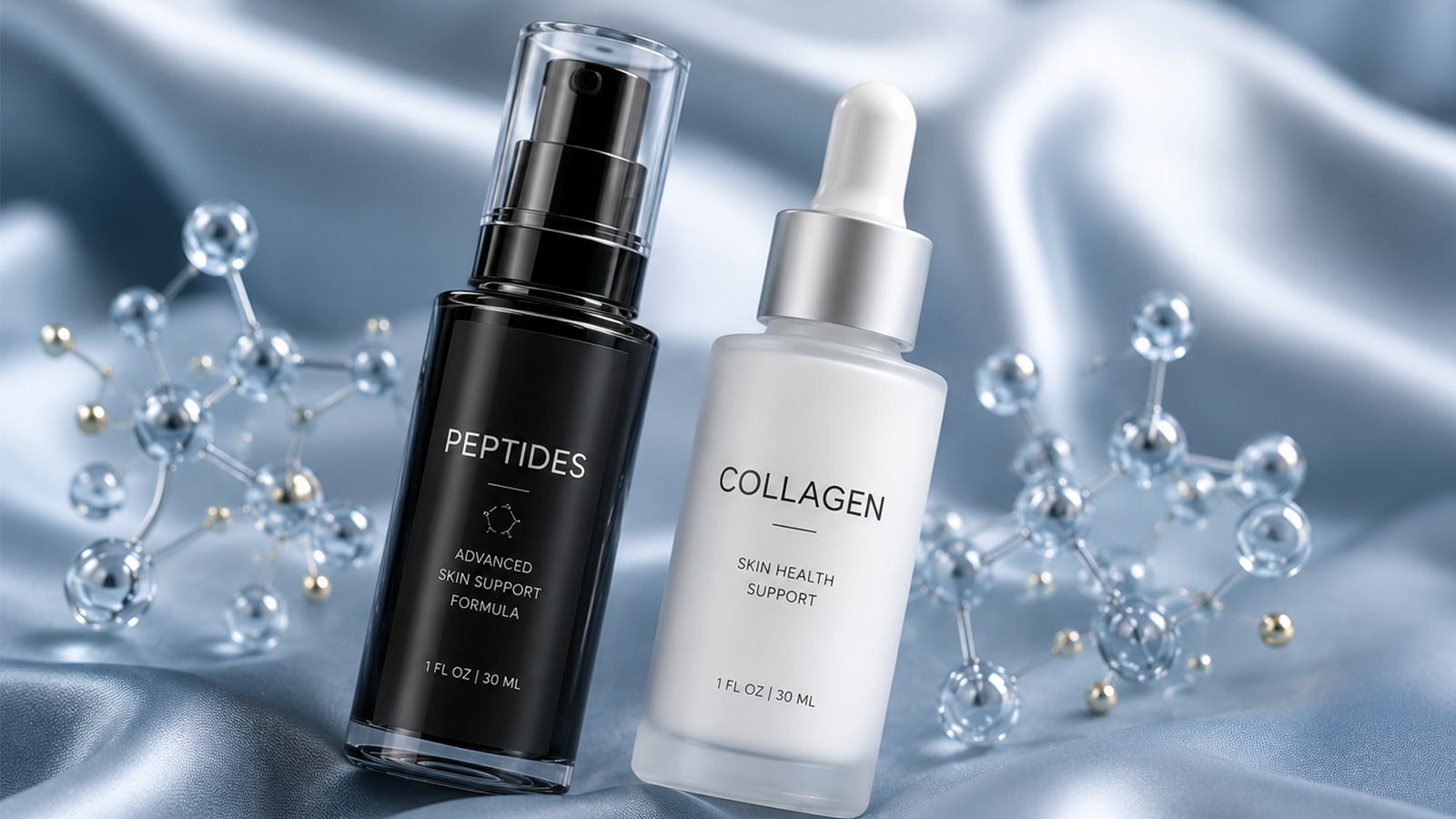
Peptides vs collagen has become a common comparison among people looking to improve their skin. Both are widely used in skincare and wellness, and both are associated with firmer, smoother, and more youthful-looking skin. With so many products claiming similar benefits, it’s natural to wonder which one is the better choice.
The answer is not as simple as picking a winner. Although peptides and collagen are often mentioned together, they support your skin in different ways. Knowing how each one works makes it easier to understand what sets them apart.
Key Takeaways
- Peptides and collagen both support healthy skin, but they do so in different ways.
- Collagen provides structural support, while peptides help signal the skin’s natural repair and renewal processes.
- Both may help improve the appearance of fine lines, firmness, and hydration when used consistently.
- One is not necessarily better than the other—the right choice depends on your skin goals.
- Many people use peptides and collagen together because they can complement each other’s role in supporting skin health.
At a Glance
| Feature | Peptides | Collagen |
|---|---|---|
| Supports | Skin renewal | Skin structure |
| Targets | Fine lines and repair | Firmness and elasticity |
| Hydration | Supports skin barrier | Supports skin moisture |
| Common Forms | Topical, oral, injectable* | Powder, capsules, topical |
| Used Together? | Yes | Yes |
Peptides vs Collagen on Anti-Aging
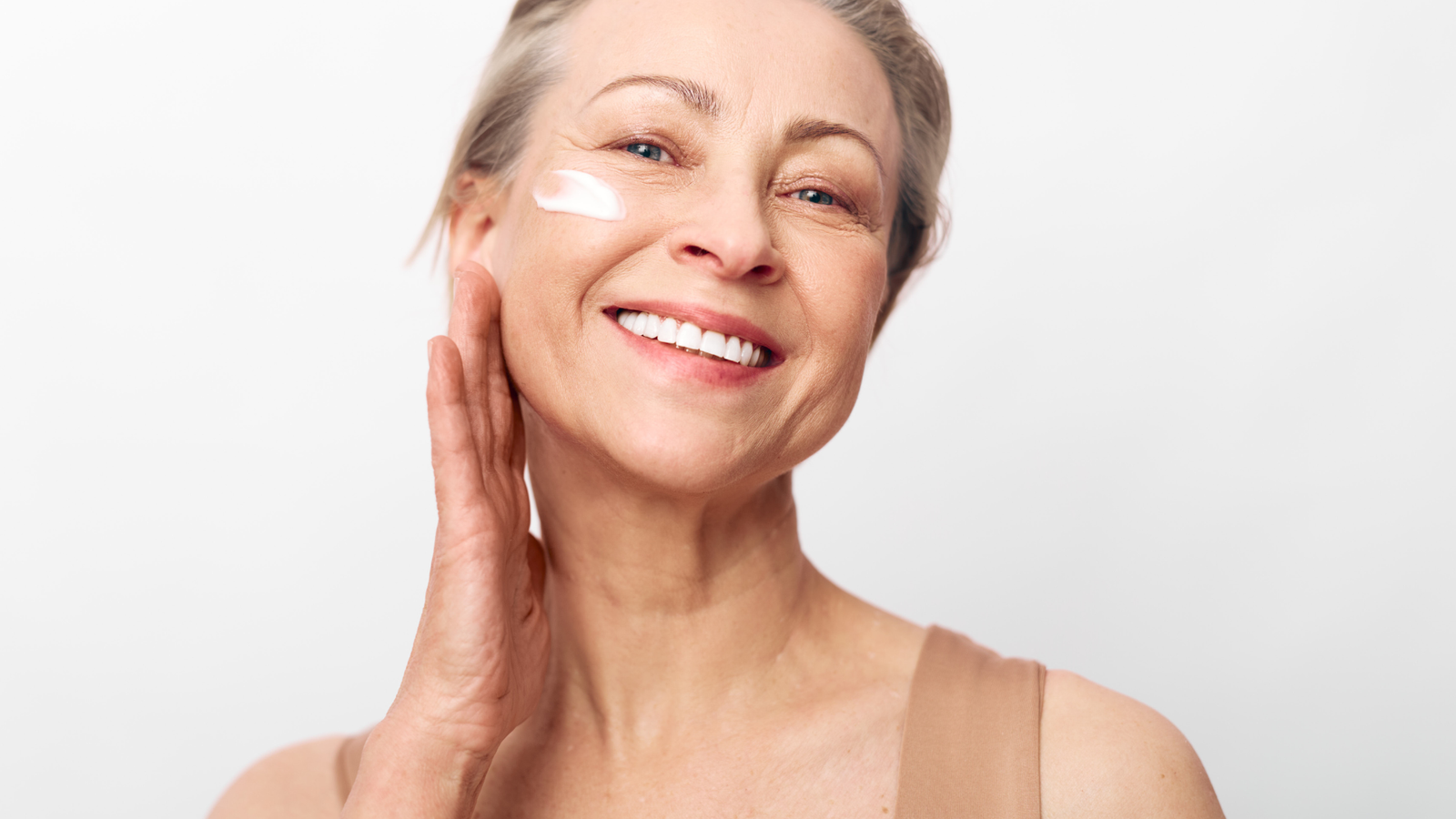
Both peptides and collagen are popular for anti-aging, but they support your skin in different ways.
Collagen helps keep your skin firm, smooth, and strong. However, your body naturally produces less collagen as you age. As a result, fine lines, wrinkles, and sagging skin become more noticeable over time.
Peptides work differently. Instead of acting as the building blocks of your skin, they send signals that encourage natural processes like skin repair and collagen production.
For anti-aging, the better choice depends on your skin goals. Collagen focuses on supporting your skin’s structure, while peptides help support the biological processes involved in keeping skin healthy.
Peptides vs Collagen on Skin Firmness and Elasticity
Firmness and elasticity often go hand in hand, but they depend on healthy collagen levels within the skin.
Collagen helps provide the structure that keeps skin firm, resilient, and able to bounce back. As collagen production declines with age, the skin gradually loses its firmness and elasticity.
Peptides support these qualities differently. Rather than adding structure, certain peptides help encourage the skin’s natural collagen production and renewal processes. Over time, this may help improve the appearance of firmer, more resilient skin.
For skin firmness and elasticity, both support the same goal through different mechanisms. Collagen provides the foundation, while peptides help stimulate the processes that maintain it.
Peptides vs Collagen on Skin Hydration

Healthy skin needs hydration to look smooth, soft, and refreshed. While both peptides and collagen can support skin hydration, they do so in different ways.
Collagen helps maintain the skin’s structure, which allows it to retain moisture more effectively. Well-hydrated skin often appears plumper and may make fine lines less noticeable.
Peptides support hydration by helping strengthen the skin barrier and promoting the skin’s natural repair processes. A stronger skin barrier helps reduce moisture loss and keeps the skin feeling hydrated for longer.
Peptides vs Collagen on Timeline and Results
Neither peptides nor collagen deliver overnight results. Healthy skin renews itself gradually, so noticeable improvements often take time and consistent use.
Collagen supplements work by providing the amino acids your body uses to support healthy skin. Because this process depends on your body’s natural collagen production, results may vary from person to person.
Peptides take a different approach by supporting the skin’s natural repair and renewal processes. The time to see visible changes depends on the type of peptide, the product used, and your individual skin condition.
For both, consistency matters more than speed. Factors such as age, lifestyle, skincare routine, and overall skin health can all influence the results you experience.
How to Choose Between Peptides and Collagen
The right choice from peptides vs collagen depends on what you’re hoping to achieve.
- Choose collagen if your goal is to support your skin’s structure, improve elasticity, and maintain overall skin health. Many people also take collagen to support their hair, nails, joints, and bones.
- Consider peptides if you’re looking for skincare ingredients or provider-guided therapies that support your skin’s natural repair and renewal processes. Different peptides have different functions, so the best option depends on your individual skin concerns and treatment goals.
Rather than asking which one is better, focus on the results you want to achieve.
Can Peptides and Collagen Be Used Together?
Yes. Peptides and collagen can often be used together because they support skin health in different ways rather than competing with each other.
Collagen helps maintain your skin’s structure, while peptides support the natural processes involved in skin repair and renewal. Since they serve different functions, many skincare products and treatment plans incorporate both to support healthier-looking skin.
The best approach depends on your skin concerns, overall health, and the type of products or therapies you’re considering. A licensed healthcare provider or skincare professional can help determine the option that best fits your goals.